

Goals
The main goal was to simplify trip planning by bringing everything into one place.
Stay updated on relevant events and destinations
Reduce the time and effort required to plan a trip
Create personalized travel plans that feel clear and easy to manage
During the planning process, several key problems emerged that directly impacted usability and clarity.
Problems
Information overload
Trip planning often requires jumping between multiple apps, each providing partial information. Users are forced to collect routes, attractions, transportation, and accommodations separately, which quickly becomes overwhelming.
Difficulty making confident decisions
With endless destinations, attractions, and transport options, users struggle to decide what is actually right for them. The lack of personalized guidance makes planning slow and frustrating.
Fragmented experience across platforms
Important details such as top attractions, local transportation, and historical context are scattered across different tools. This fragmented experience makes it hard to build a clear and coherent trip plan.
1. Information overload
Trip planning often requires jumping between multiple apps, each providing partial information. Users are forced to collect routes, attractions, transportation, and accommodations separately, which quickly becomes overwhelming.
2. Difficulty making confident decisions
With endless destinations, attractions, and transport options, users struggle to decide what is actually right for them. The lack of personalized guidance makes planning slow and frustrating.
3. Fragmented experience across platforms
Important details such as top attractions, local transportation, and historical context are scattered across different tools. This fragmented experience makes it hard to build a clear and coherent trip plan.
Research helped validate our assumptions and highlight where users struggle most during trip planning.
Research insights
Travel with family or friends
Set a budget when traveling
Use 2 – 3 apps to plan a trip
Travel to visit recommended attractions
Users want personalization, not complexity
Survey responses showed that users value tailored recommendations, but feel overwhelmed when too many options are presented at once.
Planning and discovery are closely connected
Users expect planning tools to actively suggest routes, attractions, and events instead of requiring manual searches across multiple platforms.
Clarity matters more than feature quantity
Both survey and interview insights revealed that a clear, consistent interface was more important than exposing every possible feature.
Primary user insight
Frequent travelers value personalization but feel overloaded by complex planning tools. They need guidance that simplifies decisions without removing control.
Users want personalization, not complexity
Survey responses showed that users value tailored recommendations, but feel overwhelmed when too many options are presented at once.
Planning and discovery are closely connected
Users expect planning tools to actively suggest routes, attractions, and events instead of requiring manual searches across multiple platforms.
Clarity matters more than feature quantity
Both survey and interview insights revealed that a clear, consistent interface was more important than exposing every possible feature.
Primary user insight
Frequent travelers value personalization but feel overloaded by complex planning tools. They need guidance that simplifies decisions without removing control.
User testing & iteration
After designing the initial solution, we conducted user and visual usability testing to evaluate clarity, flow, and overall usability.
Getting started
Before:
Users felt overwhelmed when starting a new trip and weren’t sure where to begin.
After:
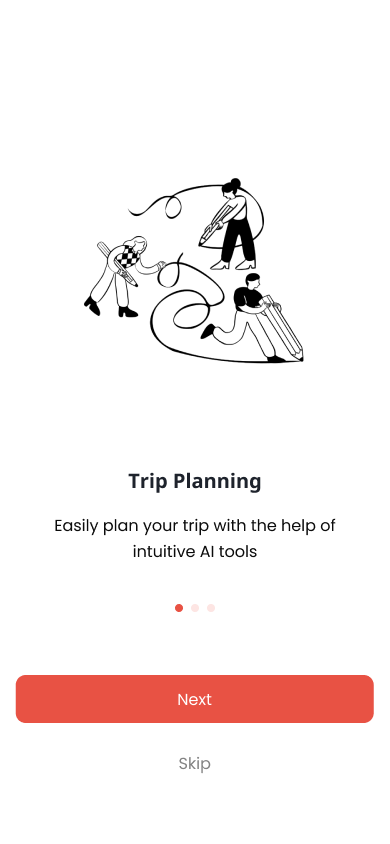
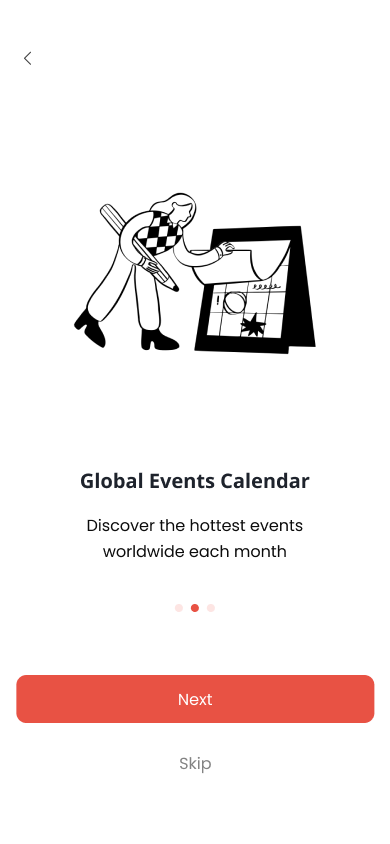
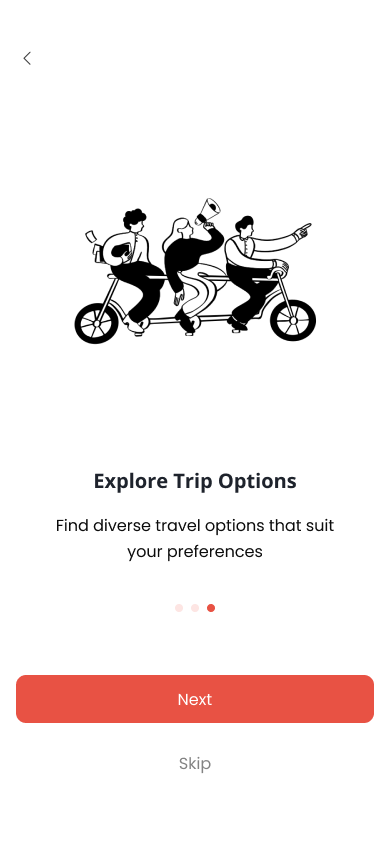
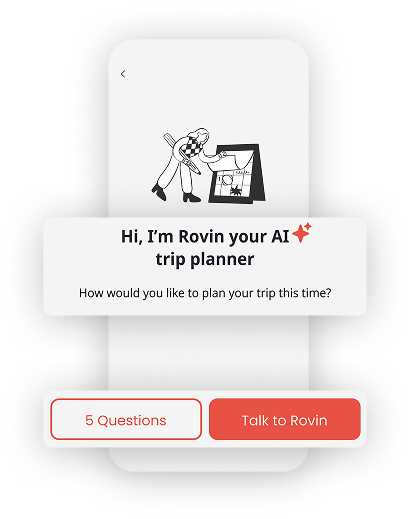
We introduced a guided onboarding flow that asked about interests and priorities first.
Managing important details
Before:
Important information (dates, reservations, key activities) was easy to miss during planning.
After:
We added clear visual hierarchy and reminders for critical moments in the trip.
Keeping the experience lightweight
Before:
The interface felt heavy as more features were added during development.
After:
We simplified layouts and unified components into a single design system.
Getting started
Before:
Users felt overwhelmed when starting a new trip and weren’t sure where to begin.
After:
We introduced a guided onboarding flow that asked about interests and priorities first.
Managing important details
Before:
Important information (dates, reservations, key activities) was easy to miss during planning.
After:
We added clear visual hierarchy and reminders for critical moments in the trip.
Keeping the experience lightweight
Before:
The interface felt heavy as more features were added during development.
After:
We simplified layouts and unified components into a single design system.
Competitors
Existing travel apps each solve part of the problem – but not the whole experience.
Booking
Strong for accommodations, but lacks trip planning and personalized routes.
Expedia
Covers flights and hotels, yet offers limited support for day-to-day planning and discovery.
Tripadvisor
Helpful for reviews and inspiration, but overwhelming and disconnected from actual trip planning.
GetYourGuide
Focused on activities, without providing a broader view of the trip or itinerary flow.
Rove brings these fragmented experiences together into one coherent, personalized planning flow – reducing friction, repetition, and decision fatigue.
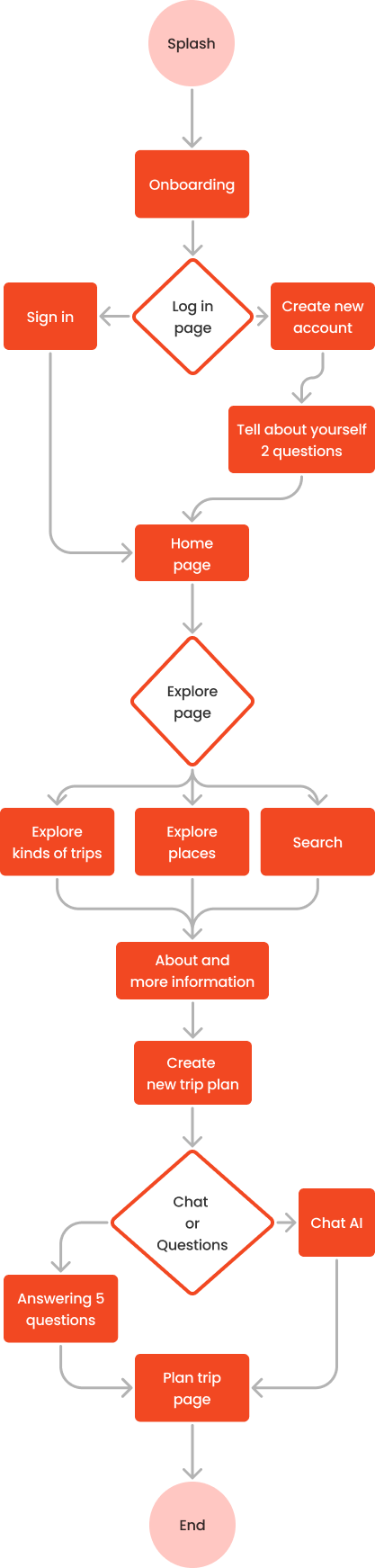
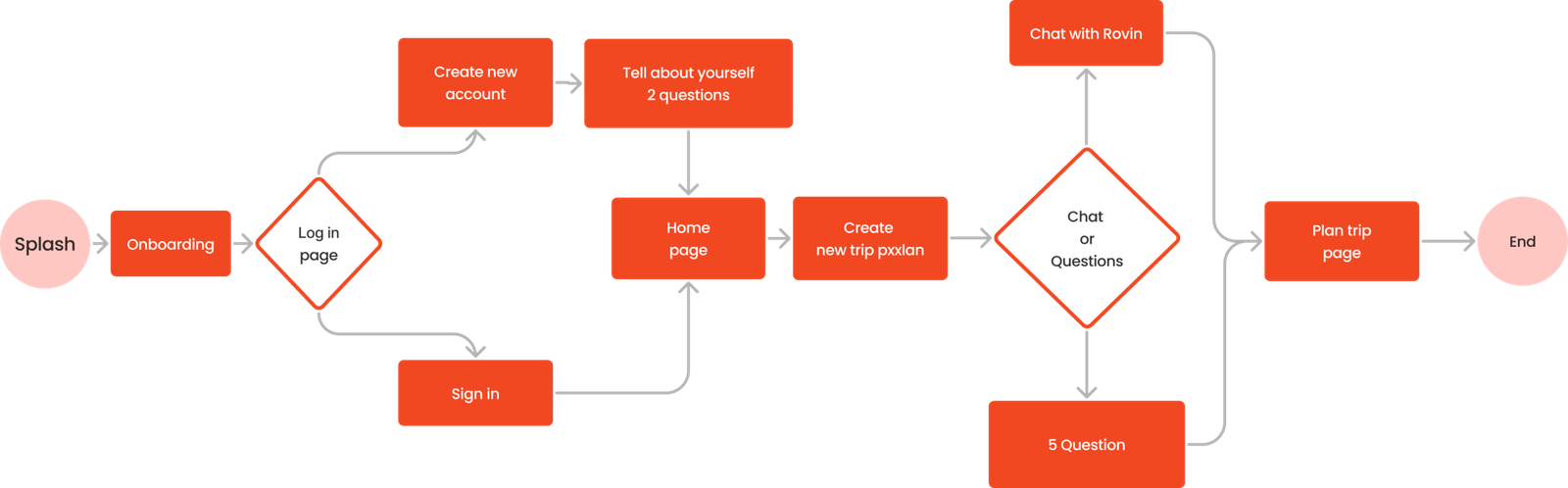
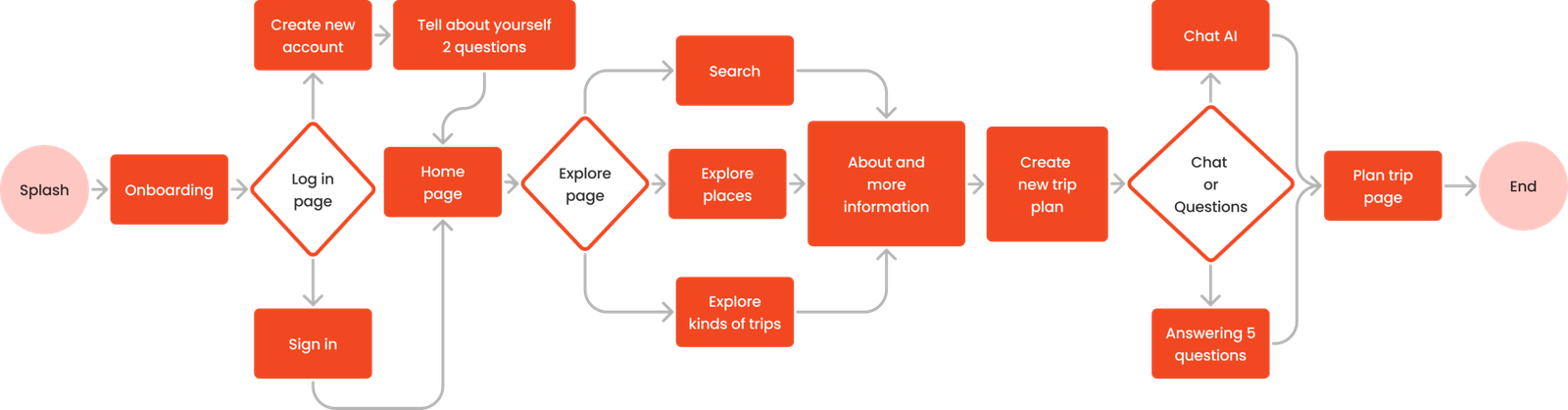
Key user flow
Planning a trip from start to finish
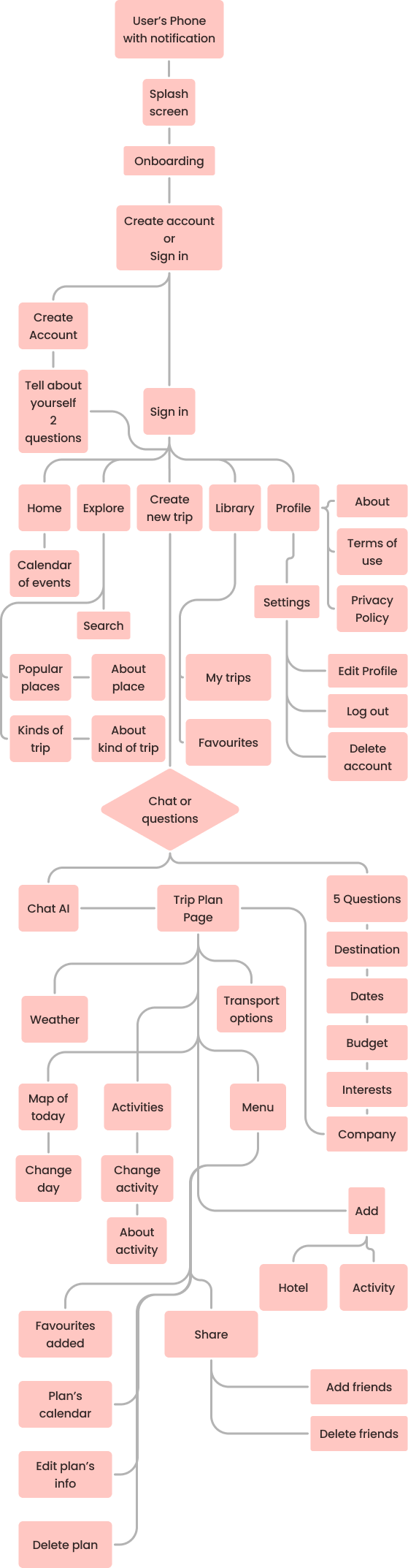
Secondary flow
Editing and refining an existing trip
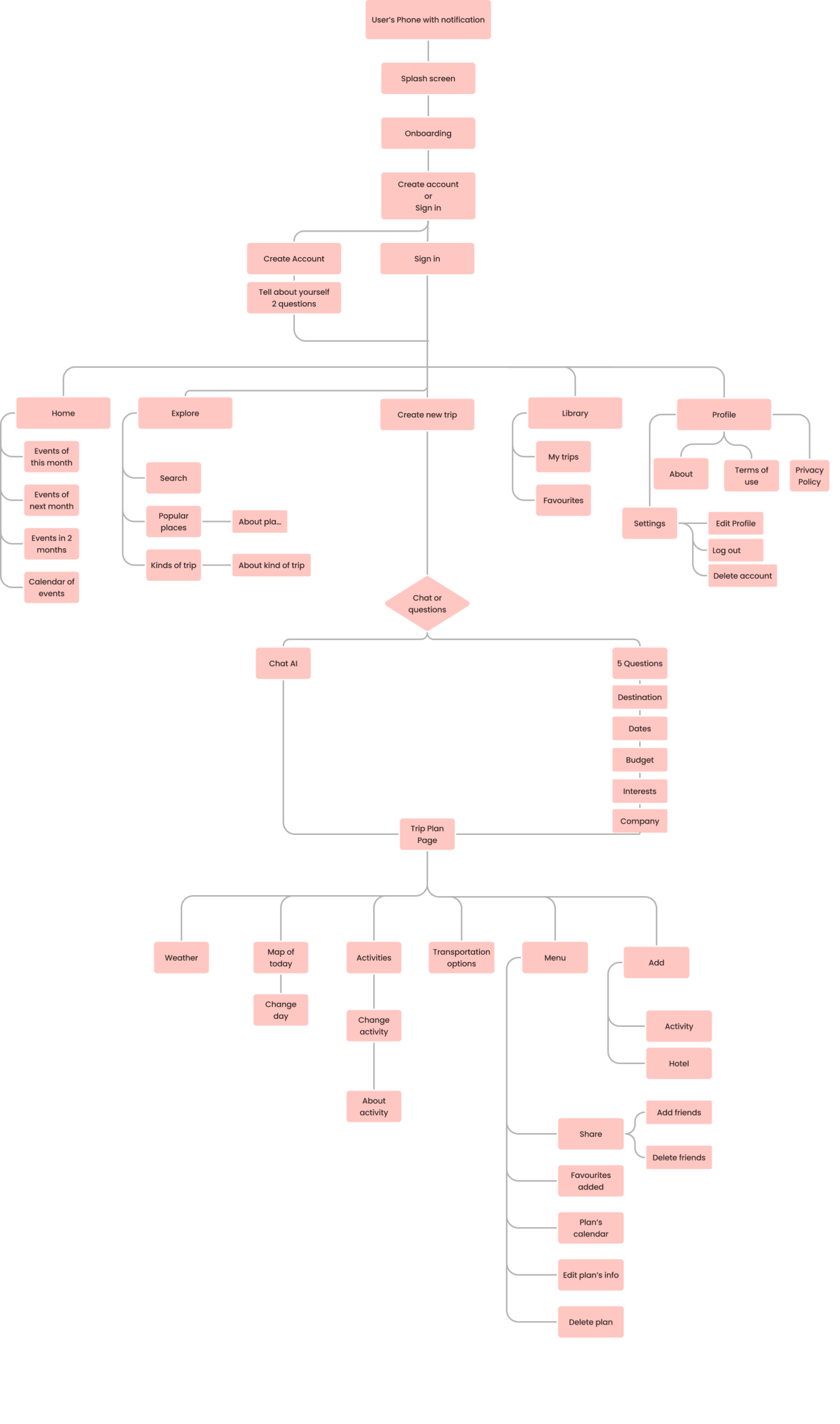
Information architecture
Key user flow
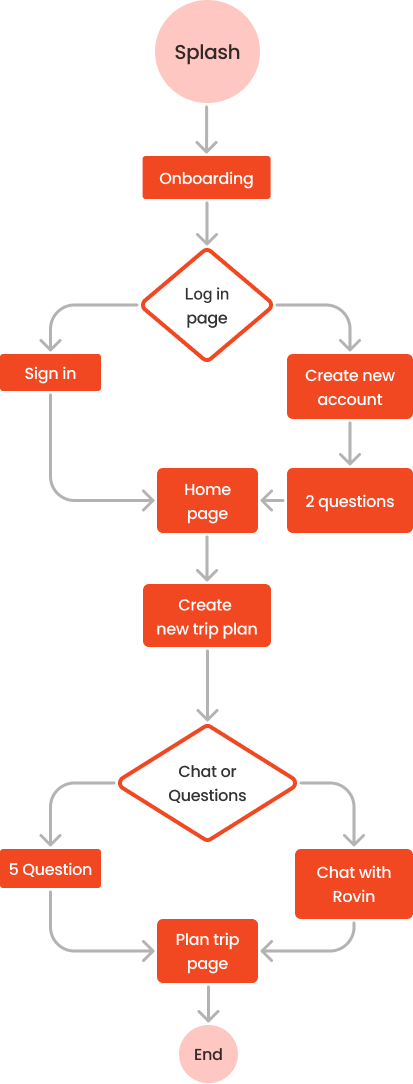
Planning a trip from start to finish
Secondary flow
Editing and refining an existing trip
Information architecture
Solution
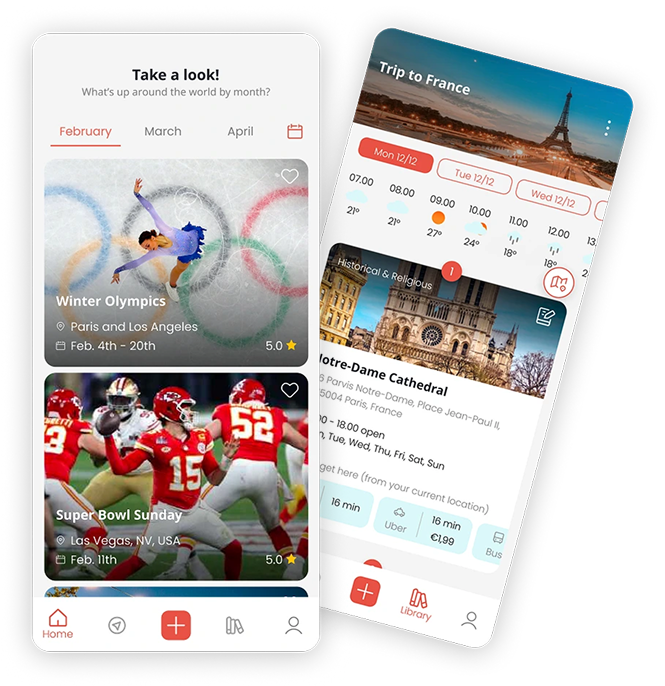
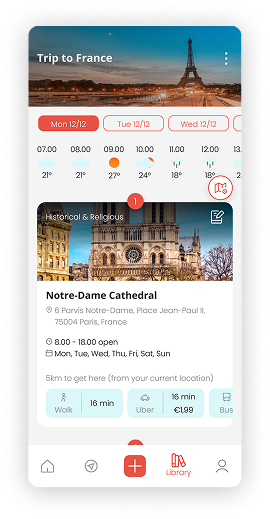
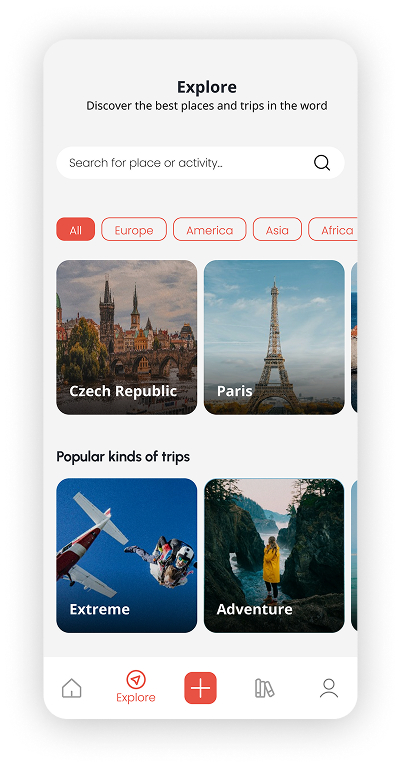
Rove was designed as a single, cohesive travel planning experience that brings planning, discovery, and organization into one flow.
Instead of switching between multiple platforms, users can build personalized trips based on their interests, timing, and priorities - all in one place.
The solution focuses on reducing decision fatigue through guided onboarding, clear structure, and thoughtful personalization, while keeping the experience lightweight and flexible for different travel styles.
Rove was designed as a single, cohesive travel planning experience that brings planning, discovery, and organization into one flow.
Instead of switching between multiple platforms, users can build personalized trips based on their interests, timing, and priorities – all in one place.
The solution focuses on reducing decision fatigue through guided onboarding, clear structure, and thoughtful personalization, while keeping the experience lightweight and flexible for different travel styles.
Visual design
Logo
Typography
Primary font
NOKORA
Weight: Regular – Bold
Usage: Headlines
Secondary font
POPPINS
Weight: Extra light – Light – Regular
Usage: Body text, captions
Color palette
rgba(232,82,68,1)
#FDE5E3
rgba(68,218,232,1)
#44DAE8
rgba(244,244,244,1)
#F4F4F4
rgba(255,255,255,1)
#FFFFFF
rgba(12,12,12,1)
#0C0C0C
rgba(232,82,68,1)
#FDE5E3
rgba(68,218,232,1)
#44DAE8
rgba(244,244,244,1)
#F4F4F4
rgba(255,255,255,1)
#FFFFFF
rgba(12,12,12,1)
#0C0C0C
UI Components
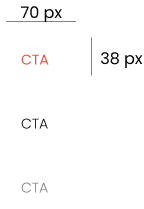
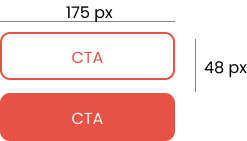
Buttons
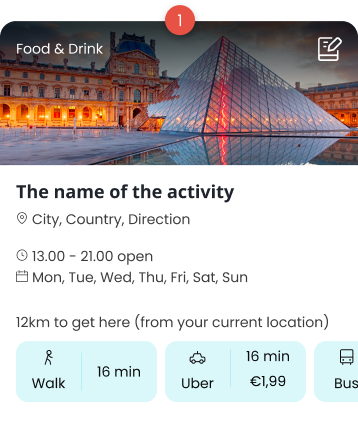
Visual cards
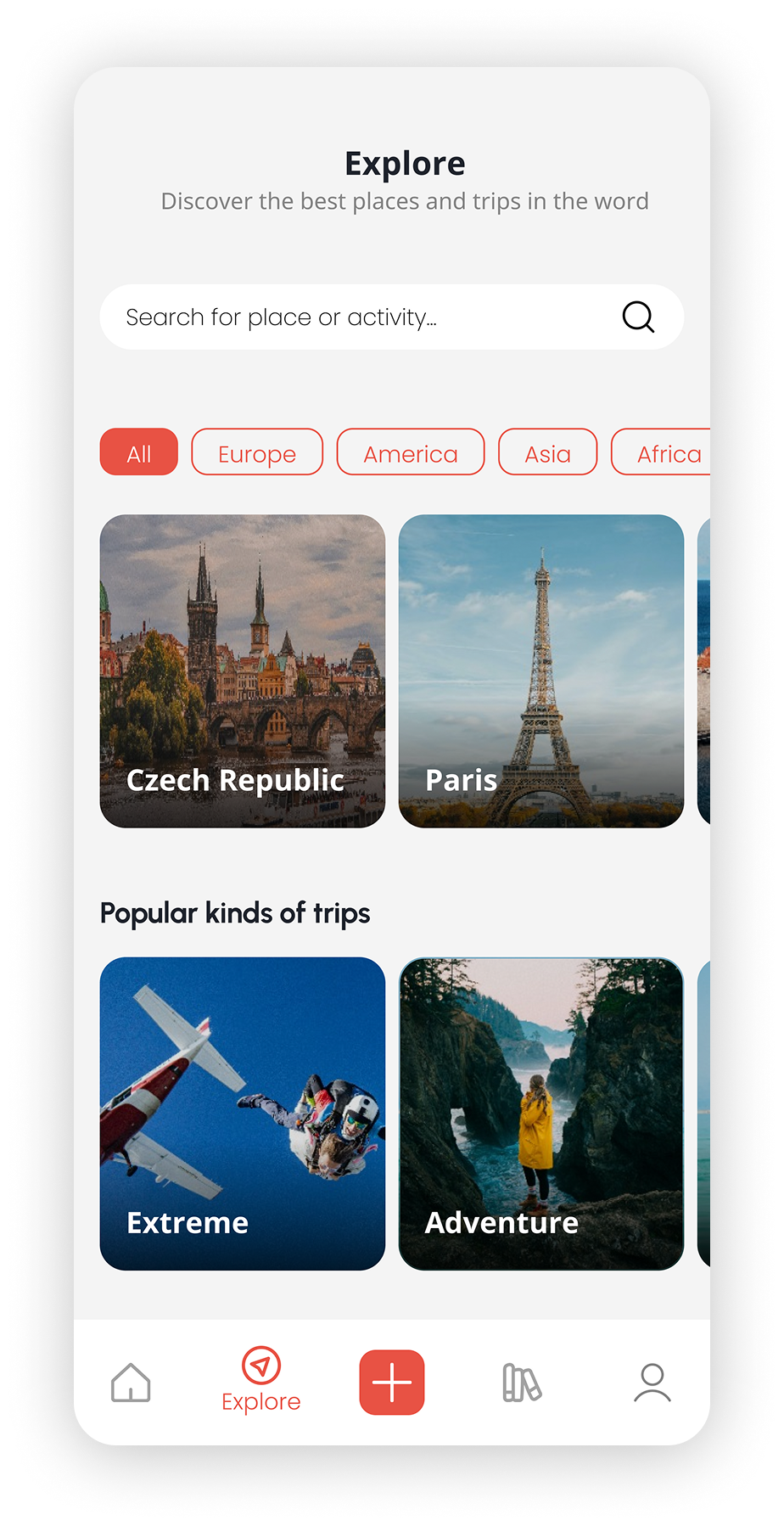
Final design
System screens
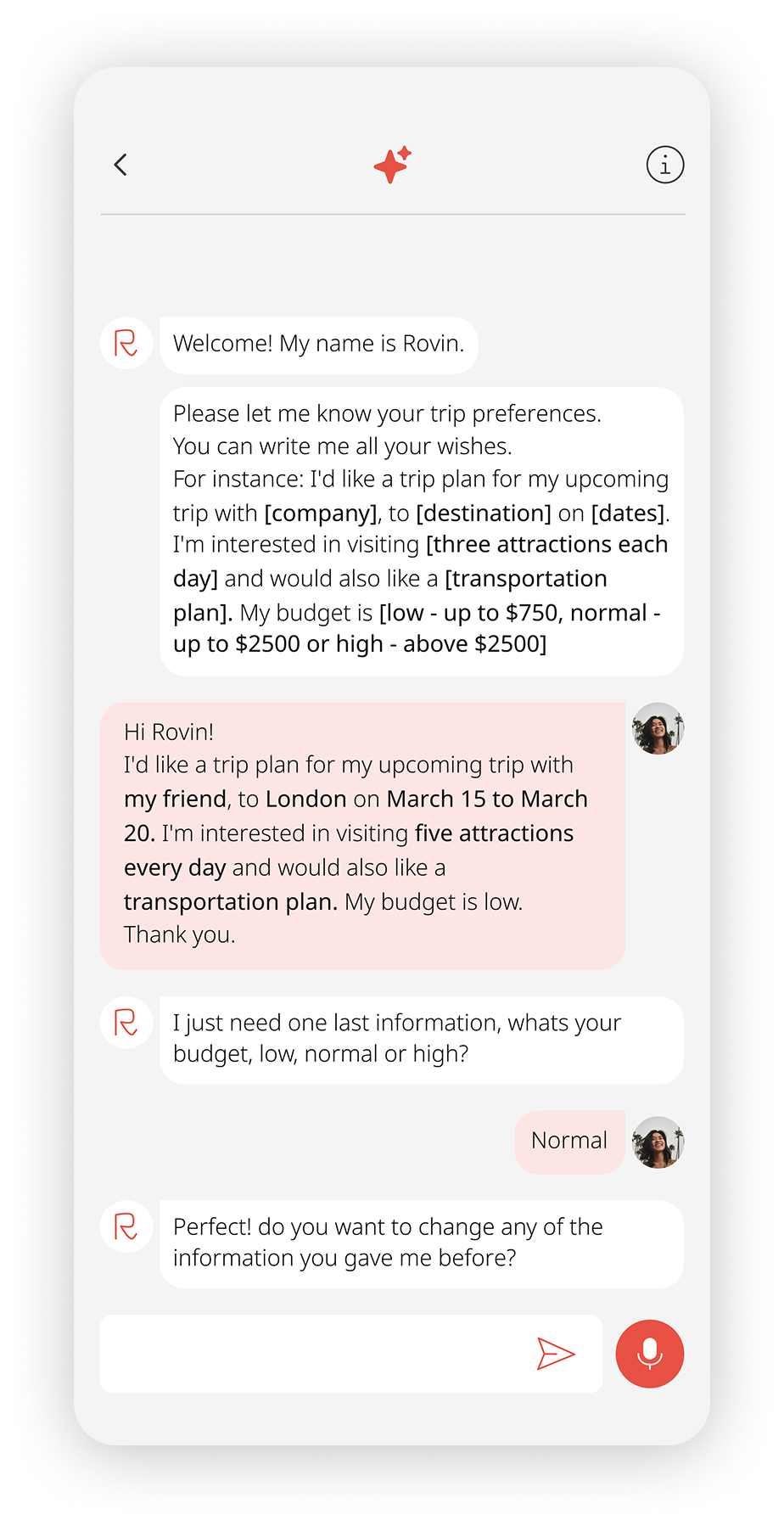
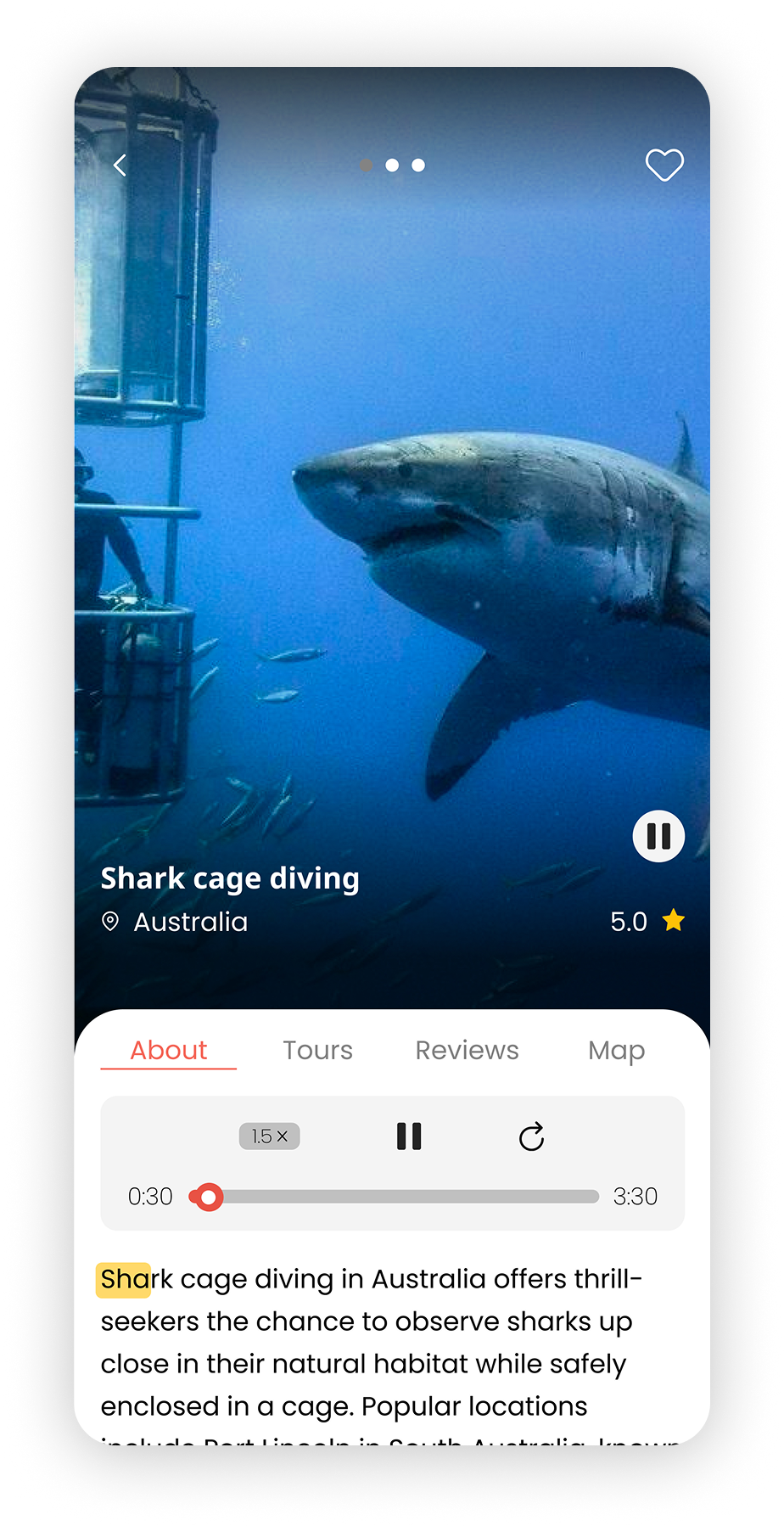
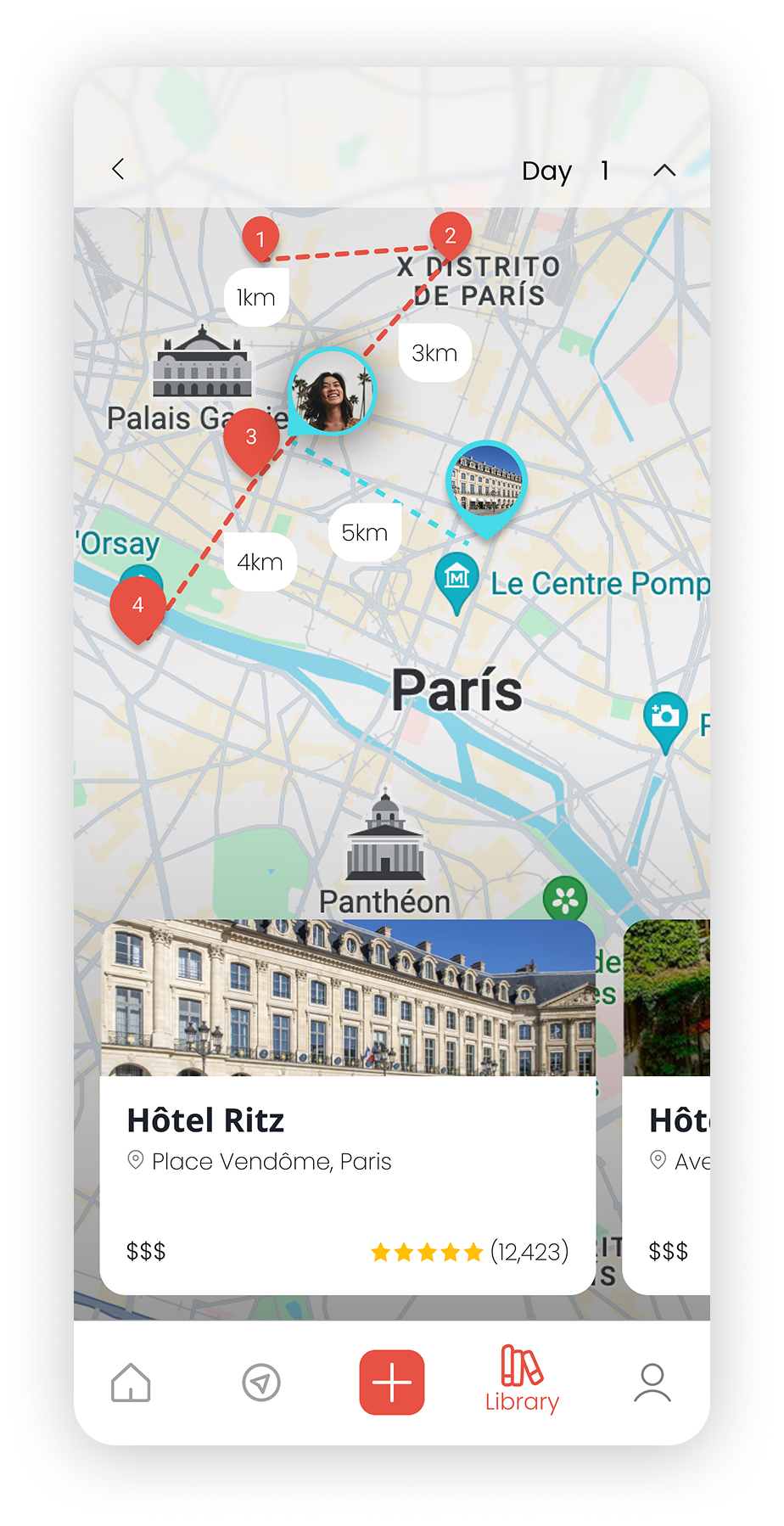
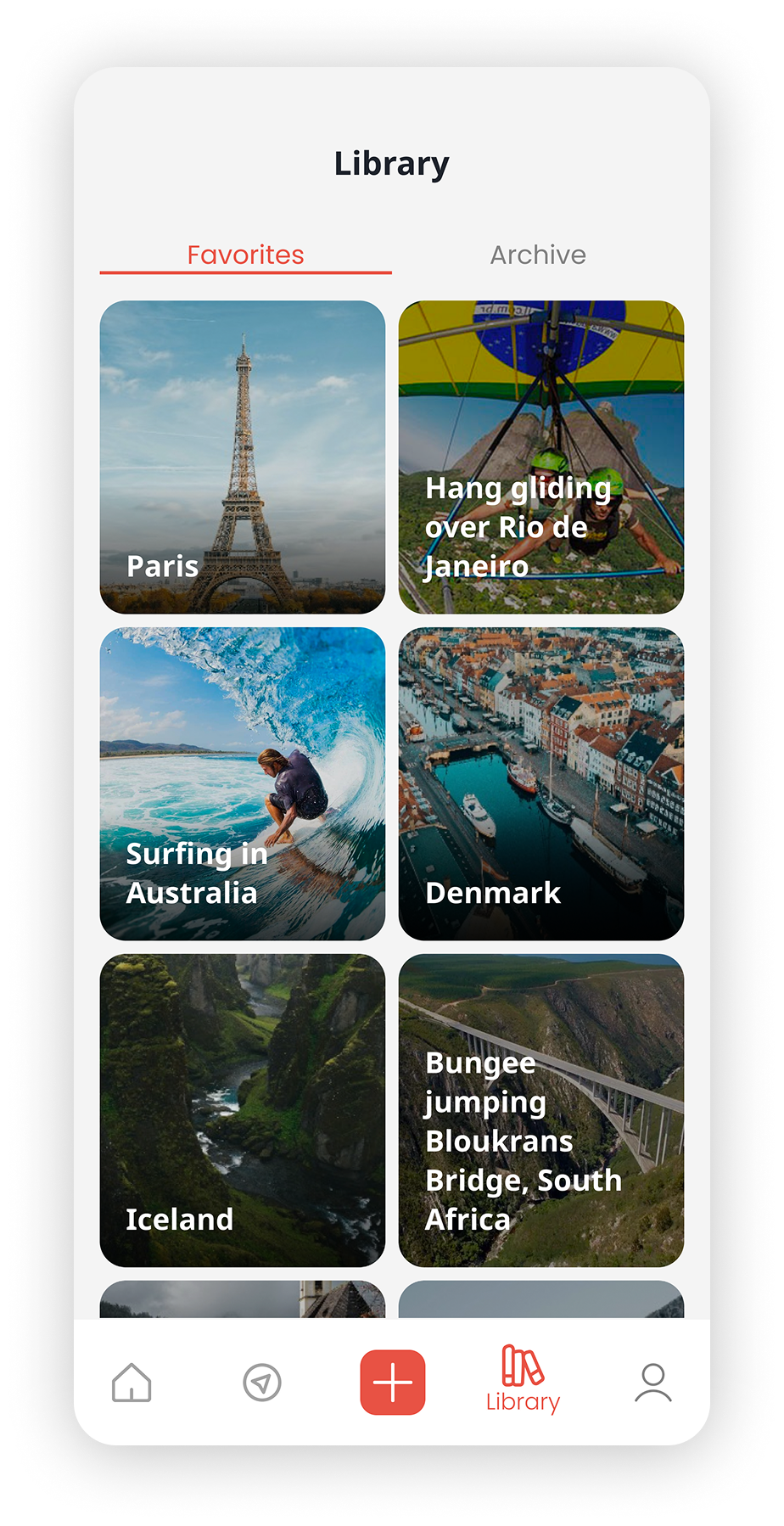
These screens define the foundation of the system and support daily operations across all roles.
App